Hobbies · Security
Research
Offensive security, red-teaming labs, DIY hardware and private microservices


To build truly resilient infrastructures you must understand with surgical precision how vulnerabilities are discovered, exploited and mitigated.
- Security
- Red Teaming & Hardening
- Practice
- HackTheBox & Bug Bounty
- DIY Hardware
- SBCs, ESP32 and Sensors
- Privacy
- Home Automation & Self-Hosting
Curiosity as an engine: Taking apart how things work
Beyond my day-to-day work with clients, I devote a substantial part of my free time to independent technical research. Since my first steps in computing, it was never enough for me that a system simply "worked"; I needed to understand what was going on under the hood at the network, kernel and assembly level.
This side of me splits into two large complementary branches: offensive cybersecurity and hardening on one hand, and experimentation with physical hardware, IoT and home automation on the other.
Cybersecurity: Red Teaming and Hardening
Information security cannot be learned in a purely theoretical way from static manuals; it requires facing real environments, modern attack vectors and complex configurations:
- Hands-on labs (Hack The Box, TryHackMe): Continuous solving of simulated vulnerable machines, testing enumeration techniques, web exploitation (SQLi, SSRF, IDOR, command injections), privilege escalation on Linux/Windows and pivoting across internal networks.
- Bug bounty and web audits: Applying tools such as Burp Suite Professional, nmap, sqlmap and custom Python scripts to audit web applications and detect misconfigurations before they can be maliciously exploited.
- Defensive hardening: All the experience gained on the offensive side (Red Team) I carry directly into my production deployments: strict Content Security Policy (CSP) policies, advanced firewall configuration (iptables/nftables), SSH server bastioning with key-based authentication and private mesh networks such as Tailscale/WireGuard.
DIY Hardware, Home Automation and Homemade Microservices
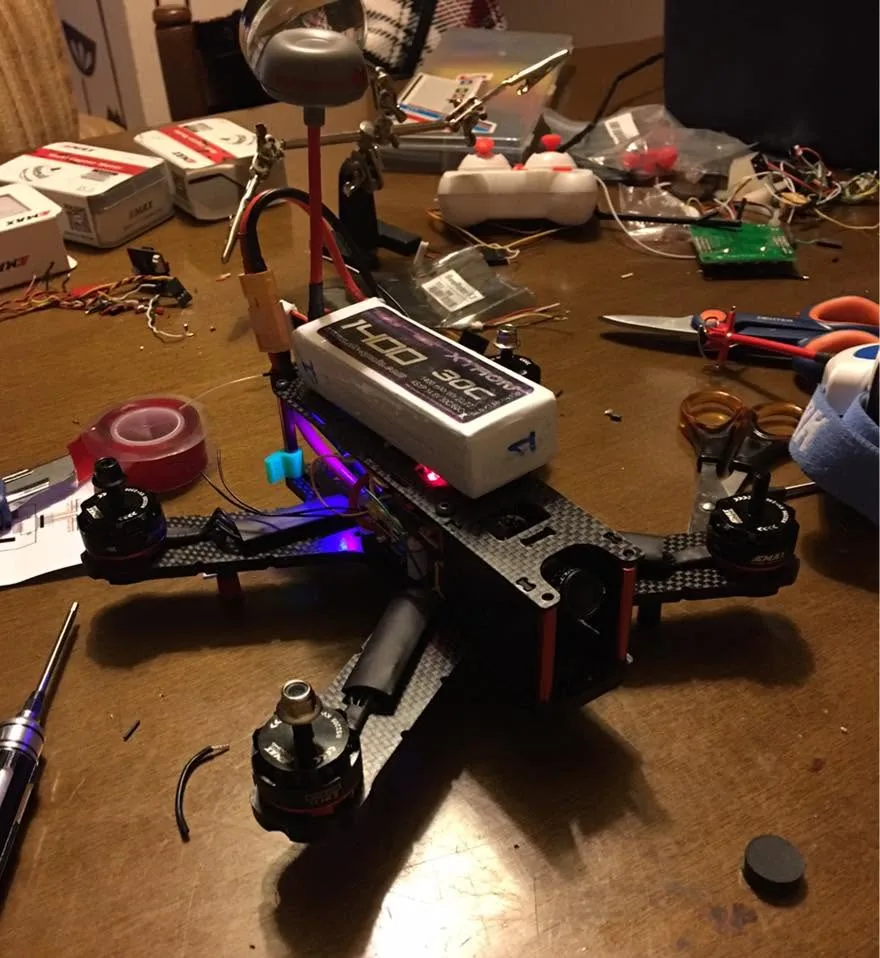
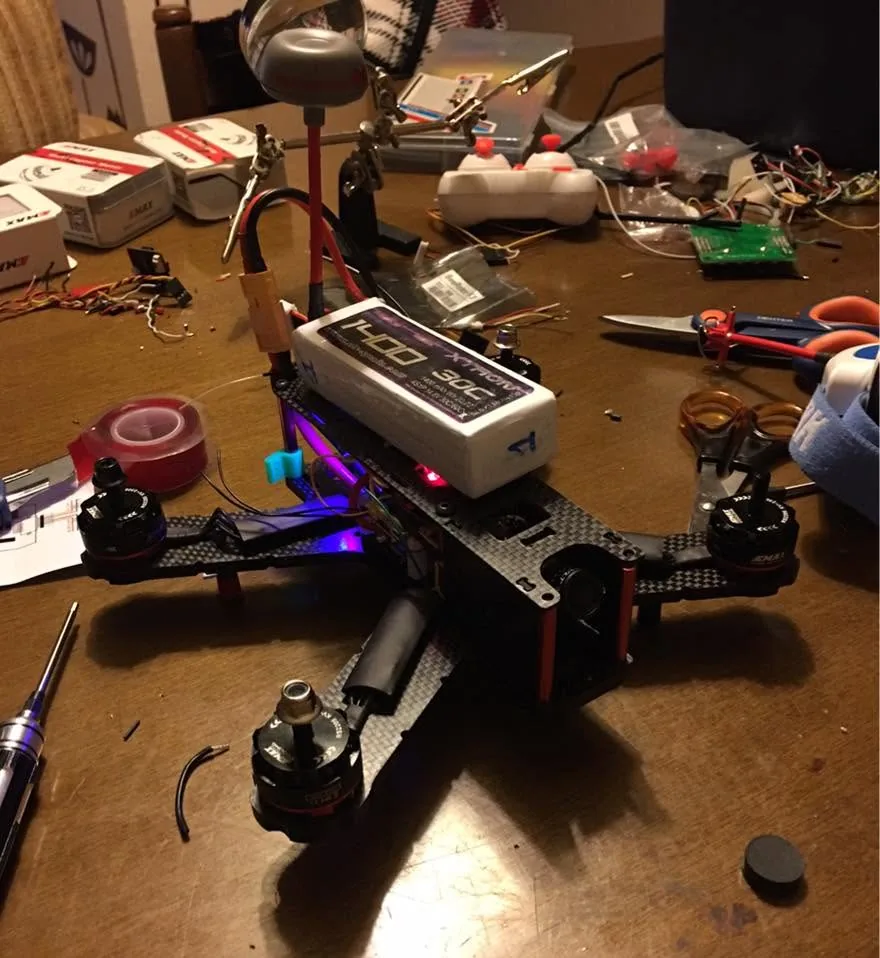
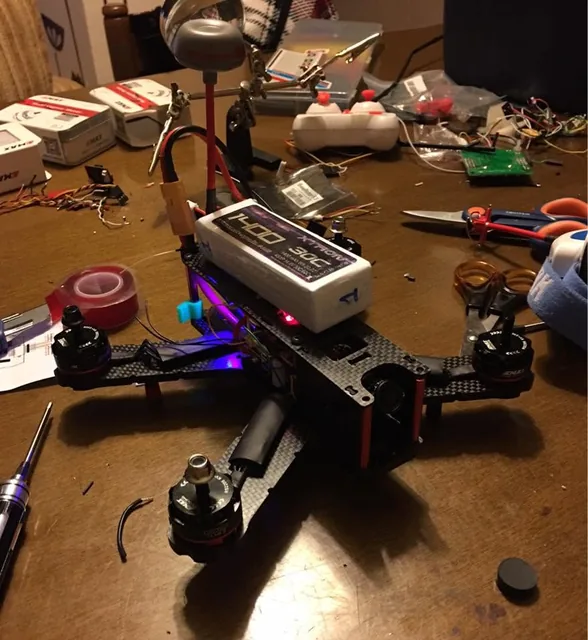
My workbench is usually surrounded by development boards, electronic sensors and Dupont cables:
- Home lab: Low-power servers based on microcomputers (Raspberry Pi and x86 mini-PCs) running Docker containers and local microservices isolated behind secure reverse proxies.
- Open-source home automation with Home Assistant: End-to-end automation of lighting, climate control, energy monitoring and physical security using Zigbee and MQTT protocols, keeping all data and control logic inside the local network without depending on third-party clouds.
- ESP32 microcontrollers and environmental sensors: Soldering, firmware programming in C++/MicroPython and designing custom circuits to collect environmental telemetry (temperature, humidity, air quality) and transmit it to time-series databases (InfluxDB) with Grafana dashboards.
The value of applied knowledge
This constant passion for research keeps me at the technical forefront. When a new zero-day vulnerability (0-day) appears in a web server, or when a client needs an atypical monitoring solution, the experience accumulated during these lab hours lets me act with competence, speed and well-founded judgement.
Gallery
Swipe through the 4 photos →