Hobbies · Table
Magic The Gathering
Combinatorial strategy, resource optimization and metagame analysis in MTG
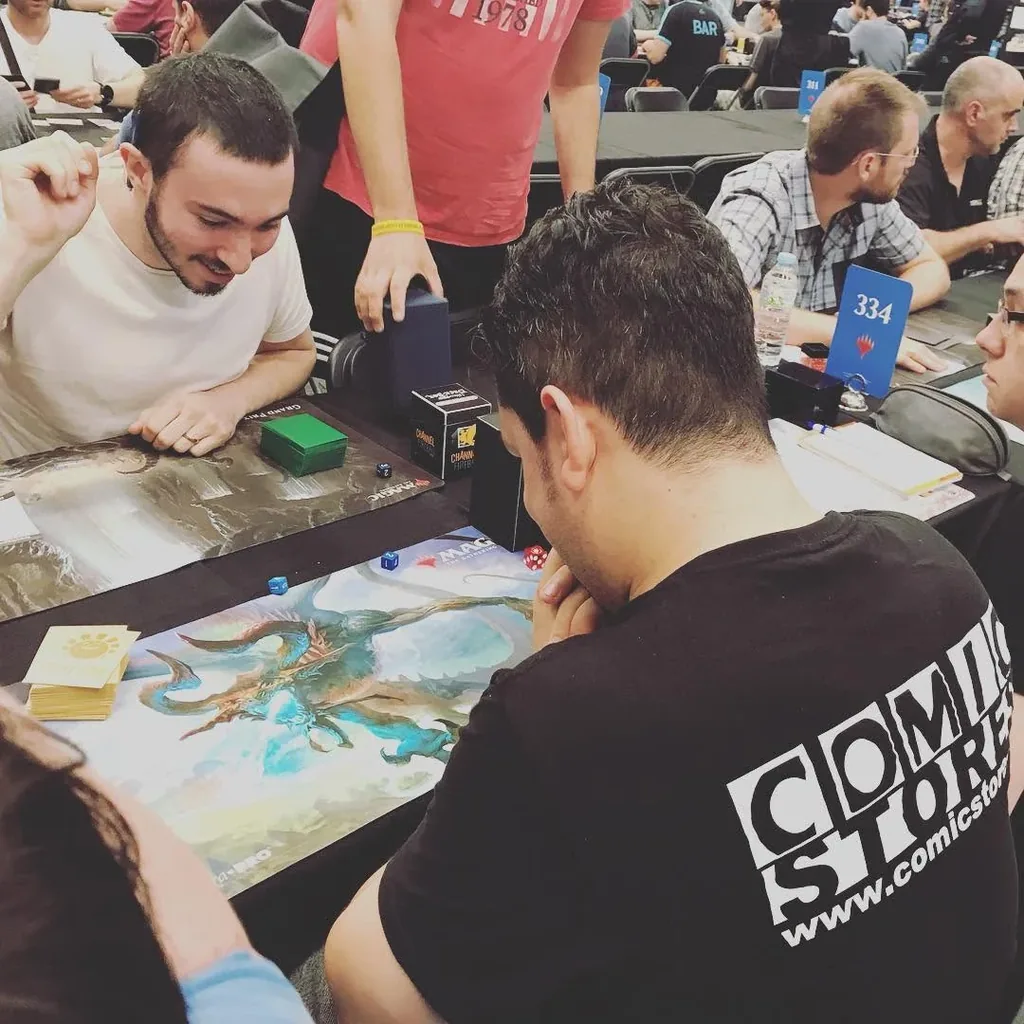



Magic is pure mathematics, psychology and managing uncertainty. Designing an efficient deck shares the same logical elegance as structuring a high-availability algorithm.
- Experience
- More than 15 years
- Formats
- Standard
- Strength
- Deckbuilding and Mana Curve
- Philosophy
- Card Advantage and Tempo
The discovery of the king of collectible card games
My relationship with Magic: The Gathering (MTG) goes back many years. What at first looked like a fantasy card game with dragons and wizards quickly became a mental training ground for probability, game theory and strategic thinking.
For those of us coming from the world of software engineering and system optimization, Magic is fascinating: a universe with thousands of pieces that interact with one another under a rigid and formally defined set of rules (the spell resolution stack, priority steps and layers of continuous effects are practically the equivalent of a deterministic virtual machine).
The science of deckbuilding: Optimization and synergy
Where I enjoy Magic the most is in the process of building decks:
- Mana curve and hypergeometric probability: Precisely calculating how many non-basic mana sources are needed to cast a spell on the optimal turn, balancing deck consistency against speed of execution.
- Card advantage: Richard Garfield's fundamental axiom. Knowing when to trade one resource for two of the opponent's, when to play the attrition game and when to prioritize tempo (the speed of deployment onto the board).
- Adaptation to the metagame: In the Standard competitive format, studying global trends, anticipating the opponent's threats and designing a 15-card sideboard capable of pivoting the deck's strategy in games 2 and 3.
Competitive play: the Standard format
My format is Standard, and only Standard. It is a constructed format with rotation: every year sets come in and out, and with them the metagame is reshuffled from top to bottom. That demand is exactly what hooks me:
- A living metagame: what won last month stops working. You read recent results, work out what people are playing and decide what you will compete with before you sit down to build.
- Building with the cards that exist: only the sets currently legal. Fewer pieces available and more pressure to get every slot right, which is where game theory really shows.
- The 15-card sideboard: the part I enjoy most. Preparing games 2 and 3 against the archetypes you expect to face, and having a plan for the ones you did not expect.
Mono-black: discard and Rack
60 cards · Mono-black · Ice Age · Fallen Empires · Fourth Edition
Creatures
 ×2
×2 ×4
×4 ×4
×4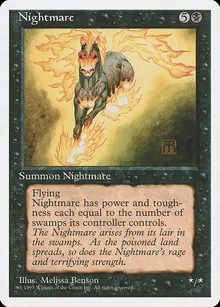
 ×4
×4Spells
 ×4
×4 ×4
×4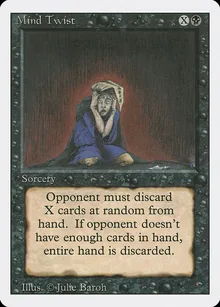
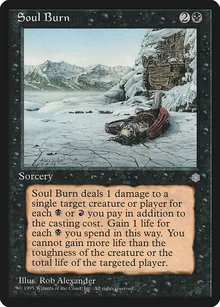
Enchantments
 ×2
×2 ×3
×3Artifacts
 ×4
×4 ×3
×3Lands
 ×23
×23Maybeboard (not in the deck)
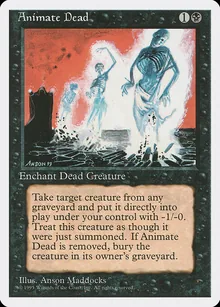
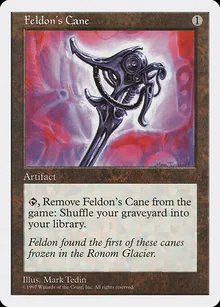
 ×4
×4 ×2
×2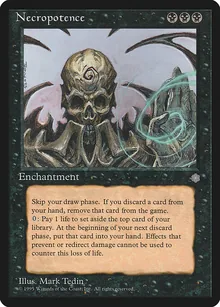
 ×4
×4The deck: Temur Energy
60 cards · Standard · Aether Revolt / Hour of Devastation
Creatures
 ×3
×3 ×4
×4 ×4
×4 ×4
×4 ×4
×4 ×4
×4Spells
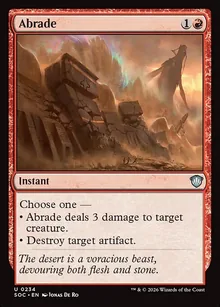
 ×4
×4 ×2
×2 ×2
×2 ×4
×4 ×2
×2Lands
 ×4
×4 ×4
×4 ×5
×5
 ×2
×2 ×3
×3 ×3
×3Sideboard
 ×3
×3 ×2
×2 ×2
×2 ×3
×3 ×2
×2 ×2
×2Card images: Scryfall · Magic: The Gathering © Wizards of the Coast. Not sponsored or endorsed by Wizards of the Coast.
Gallery
Swipe through the 3 photos →