Hobbies · Viewfinder
Photography
Rigorous manual control, Canon ecosystem loyalty, and capturing candid human expression
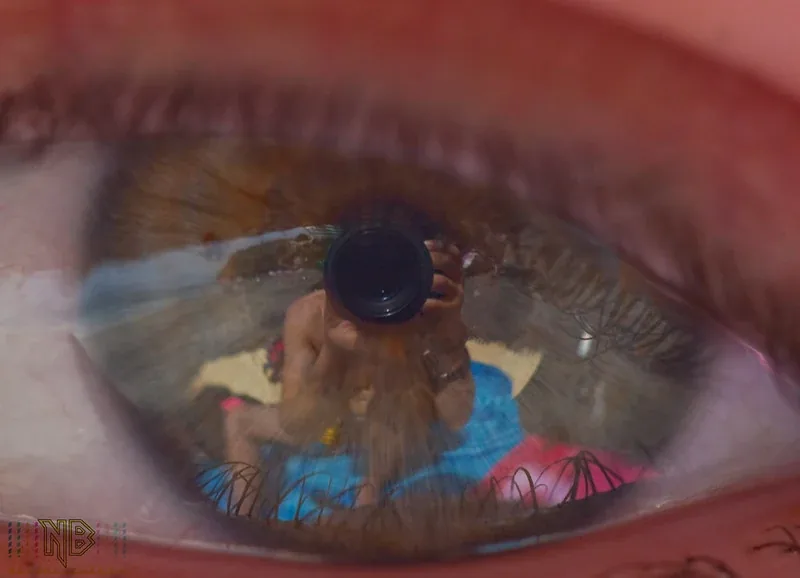
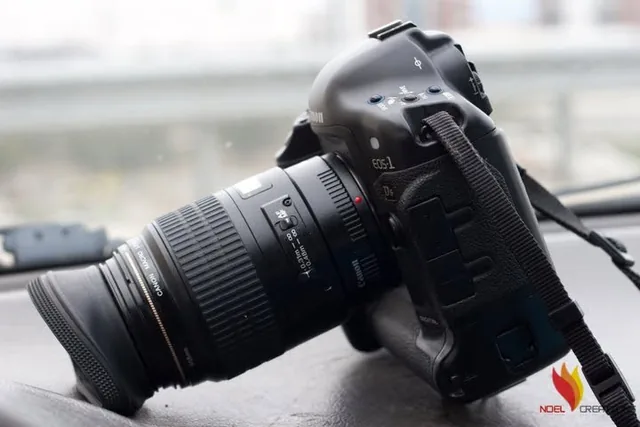

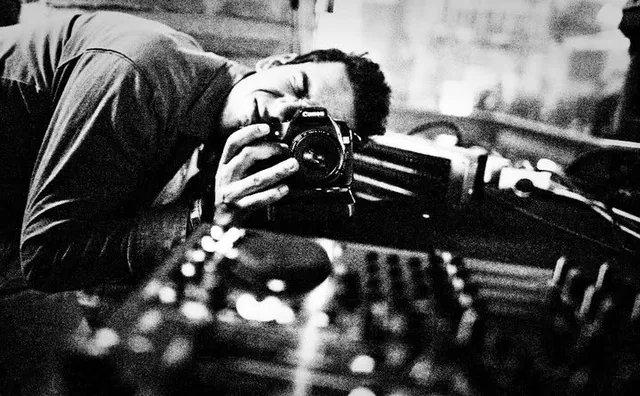
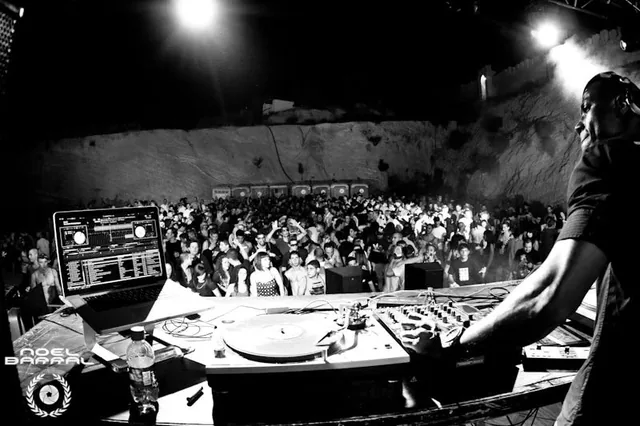
The camera is not an automation device; it is a tool of optical sensitivity and mathematical precision. Mastering light entirely in manual mode, controlling off-camera strobe lighting, and waiting for the decisive moment demands the exact same rigor as auditing critical infrastructure: foresight, observation, and zero room for guesswork.
- Ecosystem
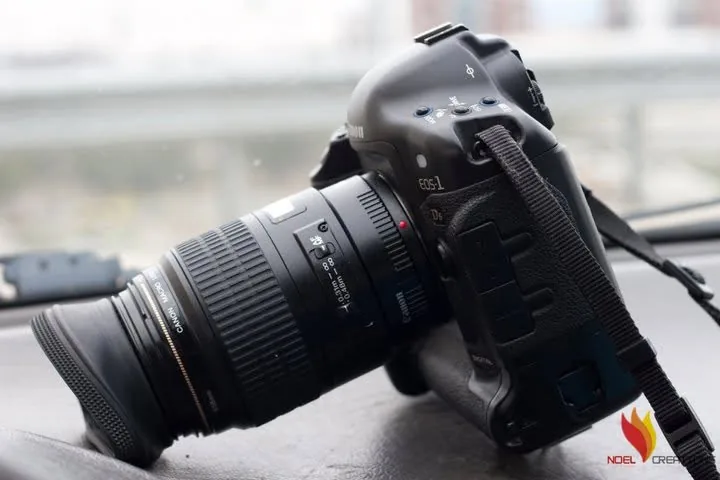
- Canon (Advanced bodies & professional L-series glass)
- Training
- Certified Canon course & RAW workflow in Adobe Lightroom
- Technique
- 100% full manual exposure, Strobist setups (off-camera flash)
- Disciplines
- Street photography (candid shots & spontaneity) & Model portrait sessions
Certified Foundations and Canon Ecosystem Loyalty
My photography journey began with formal, certified technical education: I completed an official Canon training certification focused on both optical exposure fundamentals and advanced digital RAW processing in Adobe Lightroom. This structured curriculum laid down firm principles regarding histogram evaluation, color management, white balance, and non-destructive post-processing.
I have remained loyal to the Canon platform throughout my entire photographic path. I started with an entry-level camera body to master the exposure triangle and gradually upgraded to higher-end professional camera bodies as technical demands grew. Alongside body upgrades, the decisive investment was professional glass: transitioning from kit lenses to specialized glass such as a prime 100mm lens—pin-sharp for portraits, perspective compression, and macro detail—and the renowned Canon white 70-200mm L-series telephoto zoom. Upgrading optics and mastering development in Lightroom elevated sharpness, dynamic range, and overall image rendering.
Field Apprenticeship: Mentors, Strobist Lighting, and Manual Execution
Real mastery was honed in the field rather than inside textbooks. I had the privilege of shooting regularly alongside a close friend whose father was a veteran professional photographer. Joining them on shoots across emblematic architectural sites and demanding locations became my true real-world masterclass, learning to assess ambient light and compose scenes under professional scrutiny.
My working methodology has always prioritized technical purity:
- Full Manual Shooting: Disabling all automated camera aids to control aperture, shutter speed, and ISO value with deliberate intent based on scene dynamics.
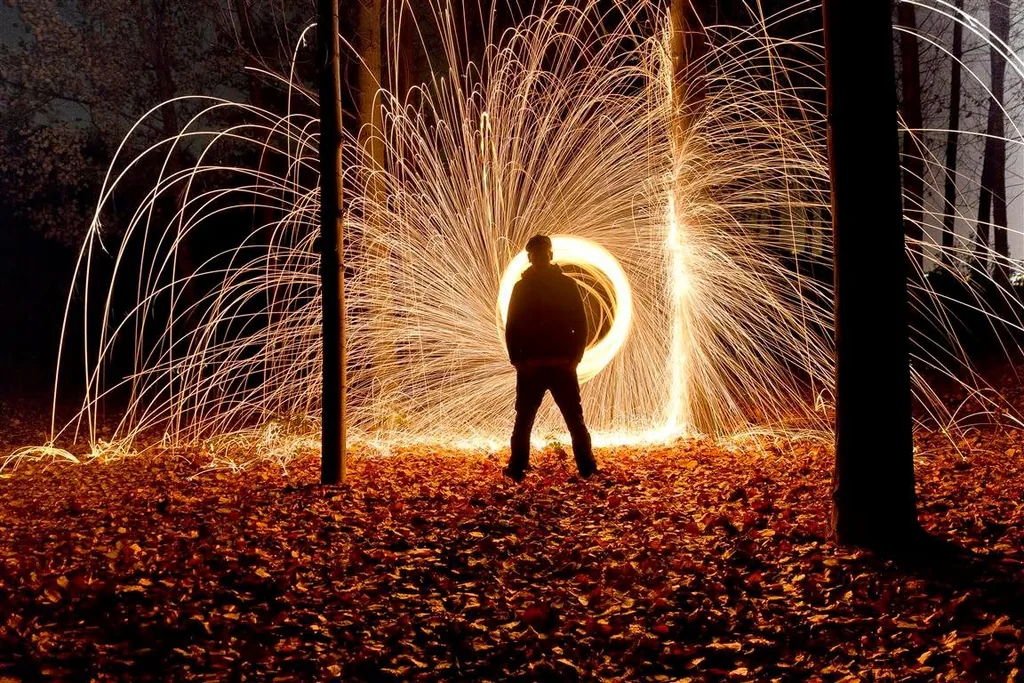
- Off-Camera Flash (Strobist Technique): Decoupling flash units from the hot shoe and triggering them remotely via radio transmitters to sculpt subject contours, manage rim lighting, and separate subjects from background environments.
- Field Self-Sufficiency: Carrying a dedicated gear bag loaded with specialized prime and zoom glass, calibrated batteries, and redundant memory cards to ensure full operational reliability across any assignment.
From Model Direction to the Decisive Moment of Street Photography
My photographic focus has balanced between two complementary areas:
- Model Sessions and Portraiture: Posing direction, artificial light sculpting, and clean background separation. Utilizing focal lengths like the 100mm enables flattering subject isolation with creamy bokeh, prioritizing genuine facial expressions over artificial staging.
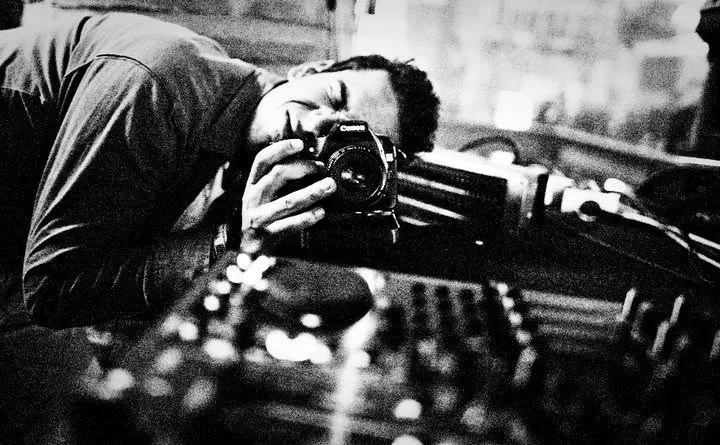
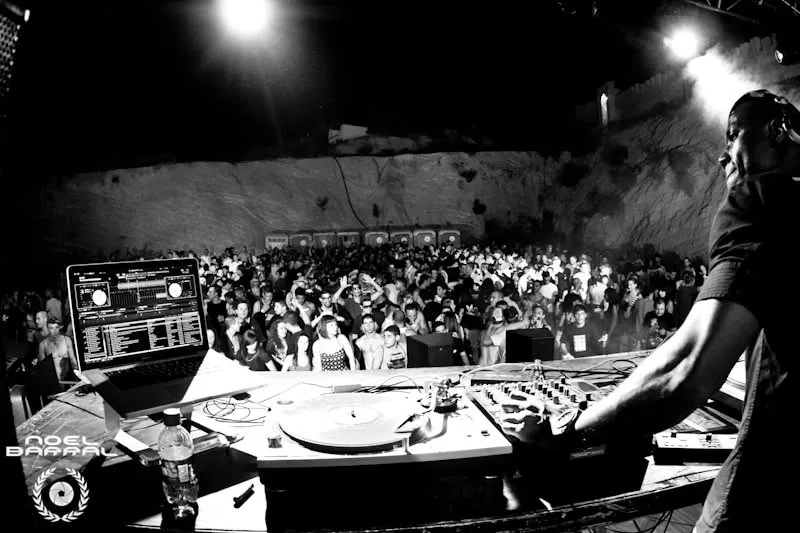
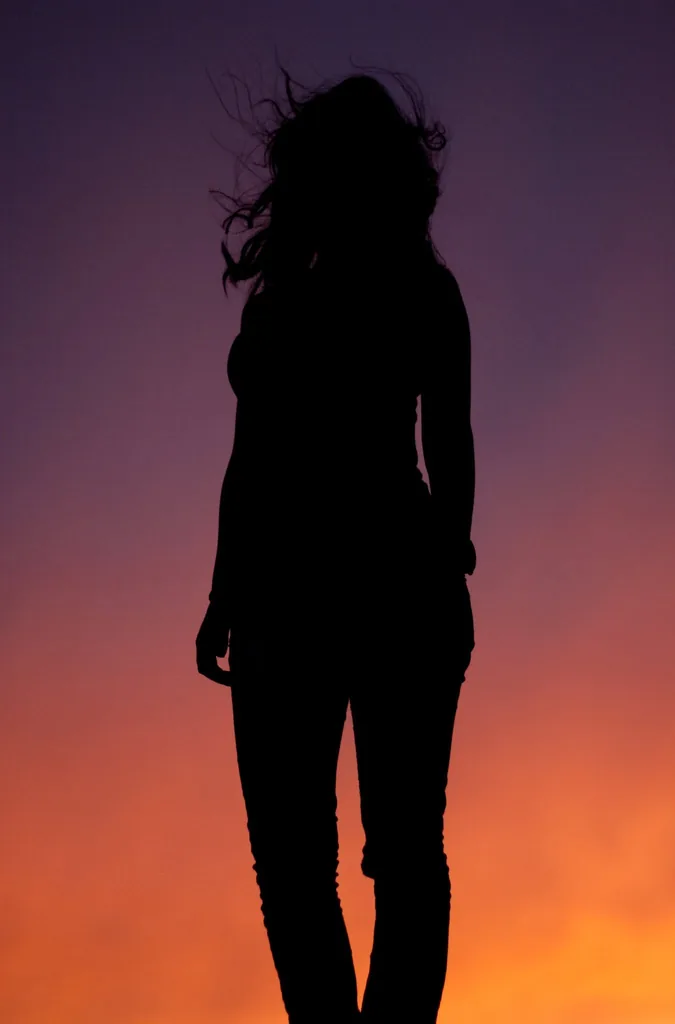
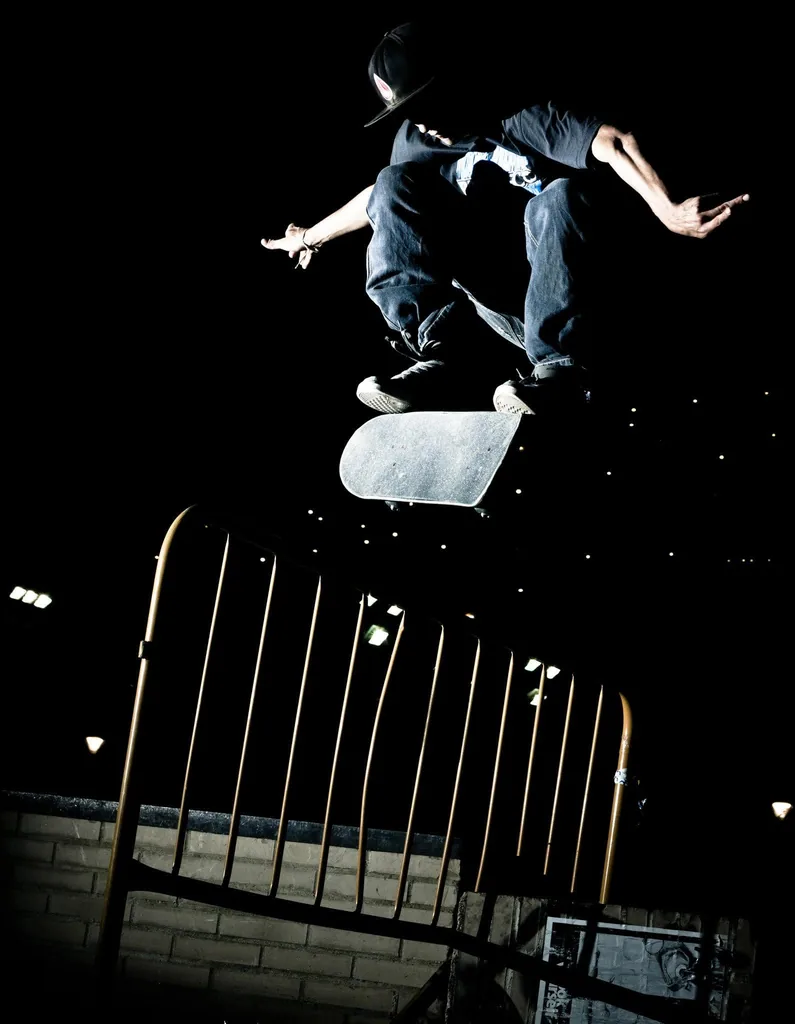
- Urban and Street Photography: The street presents a radically different environment where timing is unforgiving. I focus on capturing spontaneous, unposed moments (candid photography), looking for natural human expressions framed within urban lines, architectural shadows, and harsh ambient light.
Photography as an Analytical Framework
Throughout my professional career, photography has functioned as an exercise in acute observation and focus. Balancing exposure in full manual mode under changing light conditions requires synthesizing interdependent parameters in milliseconds—a decision-making process analogous to debugging system bottlenecks or parsing live telemetry. Both fields require mastering strict technical mechanics so that execution in production becomes fluid, precise, and second nature.
Gallery
Swipe through the 7 photos →